
Why Understanding Medigap Plans New York Matters for Your Retirement
Medigap plans New York help cover the out-of-pocket costs that Original Medicare doesn’t pay—like deductibles, coinsurance, and copayments. With nearly 1.9 million New York residents enrolled in Original Medicare and over 465,000 choosing Medigap coverage, understanding your options is crucial for protecting your retirement finances.
Quick Answer: What You Need to Know
- Standardized Plans: Medigap plans are labeled A through N, with each letter offering a specific set of benefits
- NY Unique Protection: New York offers year-round open enrollment—you can apply any time without health questions
- Community Rating: Premiums aren’t based on your age or health status, only your location in New York
- Most Popular Plans: 45% of NY Medigap members choose Plan F, 28% choose Plan N, and 14% choose Plan G
- Availability Note: Plans C and F are only available if you became Medicare-eligible before January 1, 2020
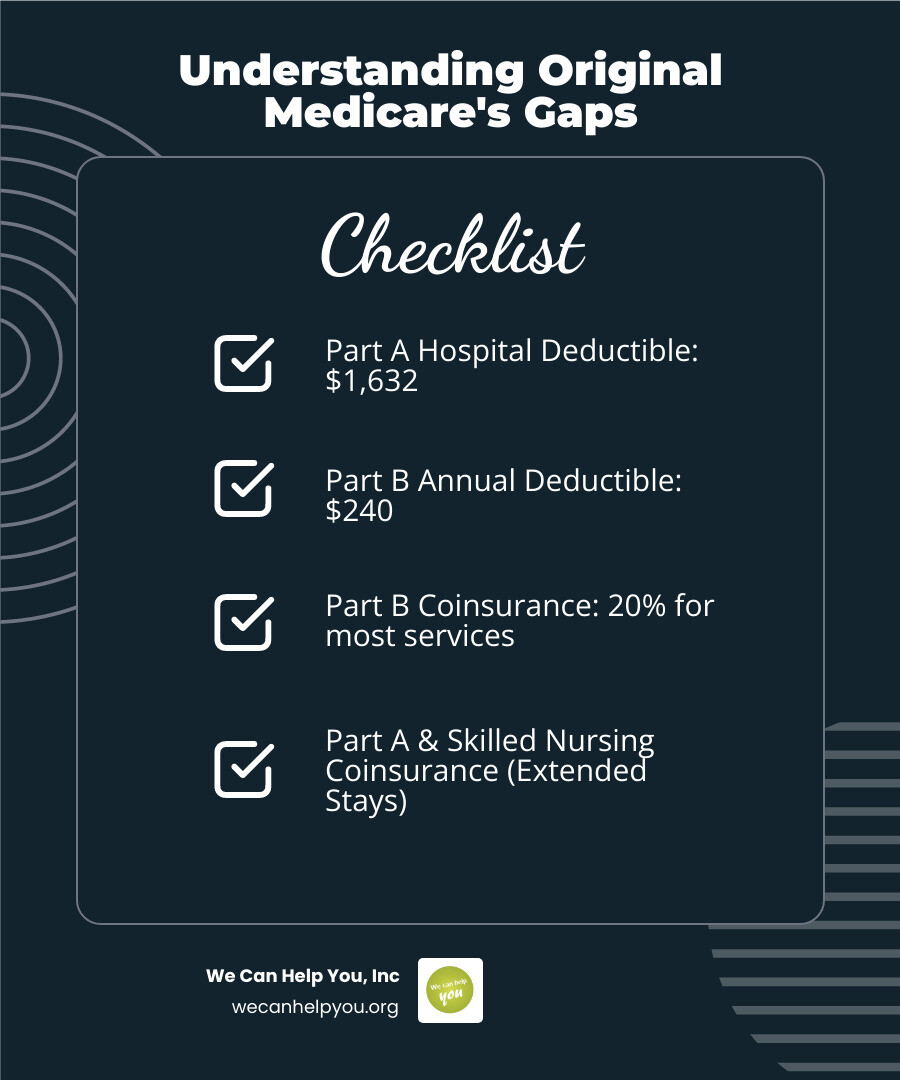
Original Medicare (Parts A and B) covers many healthcare services, but it doesn’t cover everything. You’ll face deductibles, coinsurance, and copayments that can add up quickly. That’s where Medigap comes in—private insurance companies sell these standardized policies to help fill the “gaps” in Original Medicare coverage.
New York stands out from other states with special consumer protections. You won’t be denied coverage based on your health, and you can enroll at any time of year. But with different plan options and varying premiums across the state, finding the right policy requires understanding what’s available and how to compare your choices effectively.
New York’s Unique Medigap Protections: What You Need to Know
New York isn’t just known for its busy cities and stunning landscapes; it’s also a leader in protecting its Medicare beneficiaries. When it comes to Medigap plans New York, the state offers some of the most robust consumer protections in the nation. These unique rules make a significant difference in how you can access and afford supplemental coverage, setting the Empire State apart from many others.

Continuous Open Enrollment
Imagine being able to buy insurance whenever you need it, without worrying about your health affecting your eligibility or cost. In New York, this isn’t a dream; it’s a reality for Medigap. New York State law mandates continuous open enrollment for Medigap policies. This means that if you’re a Medicare beneficiary in New York, insurance companies must accept your application for Medigap coverage at any time of the year.
This is a huge benefit, often referred to as guaranteed issue rights. Unlike many other states where your Medigap Open Enrollment Period is a one-time six-month window around your 65th birthday, New York allows year-round enrollment. Insurers cannot deny you coverage, ask health-related questions, or charge you more based on your health status, claims experience, or medical conditions. This protection extends to all Medicare beneficiaries, regardless of age or disability, including those under 65 who are eligible for Medicare due to disability or End-Stage Renal Disease (ESRD). It’s a true safety net, ensuring that everyone has access to the supplemental coverage they need.
Community Rating in New York
Another distinctive feature of Medigap plans New York is its community rating system. Medigap premiums in New York are “no-age-rated,” also known as community-rated. This means that your premium is not based on your age or your current health status. Instead, everyone within a specific geographic region in New York pays the same premium for the same Medigap plan, regardless of how old they are or how healthy they might be.
This approach differs significantly from many other states, where premiums can be “issue-age-rated” (based on your age when you first buy the policy) or “attained-age-rated” (increasing as you get older). While New York’s community rating protects you from age-based premium hikes, it’s important to note that premiums can still vary by location within the state. For example, a Medigap Plan G in Albany might have a different monthly premium than the same Plan G in New York City. This regional variation is a factor to consider when comparing costs. To learn more about how rating methods impact your costs, check out our guide on Medigap Plan Rating Methods.
Pre-Existing Condition Rules
Even with continuous open enrollment, you might wonder about pre-existing conditions. Most Medigap policies typically include a waiting period of up to six months before coverage begins for pre-existing conditions. This means if you have a health issue before your Medigap policy starts, the plan might not cover costs related to that condition during this initial period.
However, New York State regulations offer significant relief here too. If you’ve had “creditable coverage” – that is, prior health coverage without a break of more than 63 days – this waiting period can be reduced or even waived entirely. Examples of creditable coverage include employer group health plans, Medicare, Medicaid, or TRICARE. This protection ensures that if you’ve maintained continuous health coverage, you won’t be penalized with a waiting period when you transition to a Medigap policy in New York. These robust pre-existing condition rules, combined with continuous open enrollment, truly make New York a unique and consumer-friendly state for Medigap beneficiaries. For even more details on New York’s consumer protections, we encourage you to read the official information from the New York State Department of Financial Services: More about NY’s consumer protections.
Comparing Standardized Medigap Plans (A-N)
Choosing a Medigap plan can feel a bit like decoding a secret language, but we’re here to help you understand the alphabet soup of plans A through N. The good news is that Medigap plans are standardized across most states, including New York. This means a Plan G from one insurance company offers the exact same basic benefits as a Plan G from another company. The only differences you’ll typically find are the premium price, customer service, and perhaps some extra perks or discounts offered by the insurer.
Understanding Your Options for Medigap plans New York
There are up to 11 standardized Medigap plans available, each identified by a letter (A, B, D, G, K, L, M, N, and high-deductible versions of F and G). While all plans cover some of the “gaps” in Original Medicare, they do so to varying degrees. Every Medigap insurer in New York must offer Plan A and Plan B.
Let’s look at what New Yorkers are choosing:
- Plan F remains popular, with 45% of Medigap members in New York having this plan. It offers the most comprehensive coverage, but there’s a catch we’ll discuss shortly.
- Plan N is the second most popular, chosen by 28% of New York Medigap members. It’s a great option for those who want good coverage but are willing to pay some small copayments.
- Plan G is rapidly gaining popularity, with 14% of Medigap members in New York. For many, it’s now the most comprehensive plan they can enroll in.
Understanding which plan is right for you depends on your healthcare needs, budget, and willingness to share costs. Our article, Is a Medigap Plan Right for You?, can provide further insights.
Medigap Plan Benefits Comparison
Let’s explore the specifics of what each popular Medigap plan generally covers. That these benefits are standardized, so you’ll get the same coverage no matter which insurer you choose in New York.
Here’s a quick overview of some common benefits:
| Benefit Covered | Plan A | Plan B | Plan D | Plan G | Plan K | Plan L | Plan M | Plan N |
|---|---|---|---|---|---|---|---|---|
| Medicare Part A Coinsurance & Hospital Costs | Yes | Yes | Yes | Yes | 50% | 75% | Yes | Yes |
| Medicare Part B Coinsurance or Copayment | Yes | Yes | Yes | Yes | 50% | 75% | Yes | Yes* |
| First 3 Pints of Blood | Yes | Yes | Yes | Yes | 50% | 75% | Yes | Yes |
| Part A Hospice Care Coinsurance or Copayment | Yes | Yes | Yes | Yes | 50% | 75% | Yes | Yes |
| Skilled Nursing Facility Care Coinsurance | No | No | Yes | Yes | 50% | 75% | Yes | Yes |
| Medicare Part A Deductible | No | Yes | Yes | Yes | 50% | 75% | 50% | Yes |
| Medicare Part B Deductible | No | No | No | No | No | No | No | No |
| Medicare Part B Excess Charges | No | No | No | Yes | No | No | No | No |
| Foreign Travel Emergency (80% up to plan limits) | No | No | Yes | Yes | No | No | Yes | Yes |
Note: Plan N covers Part B coinsurance at 100% after the Part B deductible is met, but you pay a copayment of up to $20 for office visits and up to $50 for emergency room visits (waived if admitted).
Let’s look at a few of these in a bit more detail:
- Plan A: This is the most basic Medigap plan. It covers the core benefits: Part A coinsurance and hospital costs (up to an additional 365 days after Medicare benefits are used), Part B coinsurance or copayment, the first three pints of blood, and Part A hospice care coinsurance or copayment.
- Plan B: Offers the same as Plan A, plus it covers the Medicare Part A deductible.
- Plan D: Covers the core benefits, Part A deductible, skilled nursing facility care coinsurance, and foreign travel emergency.
- Plan G: This plan is very comprehensive. It covers everything Plan F covers except for the Medicare Part B deductible. It covers Part B excess charges, which can be a significant benefit. For new enrollees, Plan G is often considered the most comprehensive option available.
- Plan K & L: These plans offer lower monthly premiums in exchange for higher out-of-pocket costs. They cover only a percentage (50% for K, 75% for L) of some benefits until you reach an annual out-of-pocket limit. Once that limit is met, the plan pays 100% for the rest of the year. For 2006, the out-of-pocket limit for Plan K was $4,000 and for Plan L was $2,000, which can increase annually for inflation. These plans are for those who prefer lower premiums and are comfortable with potential out-of-pocket spending.
- Plan M: Covers similar benefits to Plan D but only covers 50% of the Medicare Part A deductible.
- Plan N: This plan is a popular choice for those seeking good coverage at a potentially lower premium. It covers most of the “gaps,” but you’ll pay a copayment of up to $20 for some office visits and up to $50 for emergency room visits (this emergency room copayment is waived if you are admitted to the hospital). It does not cover the Part B deductible or Part B excess charges.
High-Deductible and Cost-Sharing Plans
Beyond the standard plans, you might encounter high-deductible versions, specifically for Plan G. These plans offer the same benefits as their standard counterparts, but you must pay a high deductible out-of-pocket before the plan starts to pay anything. For example, the calendar year deductible for High-Deductible Plan G was $2,800 in 2024. Once you meet this deductible, the plan covers 100% of the remaining costs it’s designed to cover for the rest of the year. This can be a great option for those who want the peace of mind of comprehensive coverage in case of a major health event but prefer lower monthly premiums and are willing to pay a higher deductible.
Plan N, as mentioned, is another cost-sharing option. While it doesn’t have a high deductible like the high-deductible versions of Plan G, its structure involves specific copayments for office and emergency room visits. These copayments do not count towards the Part B deductible. These cost-sharing plans allow you to save on monthly premiums, but you’ll need to be prepared for some out-of-pocket expenses when you receive certain services. They offer a balance between comprehensive coverage and affordability.
Finding and Comparing Medigap Plans New York
With all the different plans and New York’s unique rules, how do you actually find the right Medigap plans New York and compare their rates? It’s a crucial step in ensuring you get the best value for your healthcare dollars.
How Medigap Premiums Vary in NY
Even with New York’s community-rated system, premiums for the exact same Medigap plan can differ significantly. This variation is primarily due to two factors: the insurance company and the geographic region within New York. For instance, the monthly premium for Plan A from Aetna Life Insurance in Albany is $239.15 (as of October 1, 2025), but the same plan from a different insurer in the same region might be higher or lower.
Geographic regions play a big role. New York is divided into several regions for insurance purposes, and premiums can vary from, say, Albany to New York City (NYC Proper). For example, as of October 1, 2025, the monthly premium for Plan G from AARP/UnitedHealthcare in New York City is $325. For Plan N from the same insurer in New York City, it’s $260. These figures illustrate that even within the same state, your location can influence your monthly cost. This variation also highlights the competition among insurers to attract the nearly 1.9 million New Yorkers with Original Medicare.
Where to Find and Compare Rates
Finding and comparing Medigap rates in New York is made easier by state resources:
-
NYS Department of Financial Services (DFS): This is your go-to official source. The DFS provides comprehensive information on insurers offering Medigap plans in New York and allows you to look up current monthly rates. You can visit their portal and enter your zip code to get a list of Medicare supplement insurance carriers and their current monthly rates. This is an invaluable tool for direct comparison. We highly recommend using the official NYS Medigap Rate Look-up Tool: Use the official NYS Medigap Rate Look-up Tool.
-
Health Insurance Information, Counseling, and Assistance Program (HIICAP): HIICAP is part of New York’s Office for the Aging and offers free, unbiased counseling to Medicare beneficiaries. Their counselors can help you understand your options, compare plans, and answer any questions you have about Medigap. You can reach them at (800) 342-9871.
-
Medicare.gov: The official Medicare website, CMS Medicare, also offers a plan finder tool where you can compare Medigap policies available in your area. While it provides general information, the DFS portal will give you the most specific New York rate data.
-
We Can Help You, Inc.: Navigating these options can still be overwhelming. That’s why we at We Can Help You, Inc. are dedicated to educating individuals on Medicare and Social Security. We provide resources to help you understand your choices and can connect you with local, independent Medicare insurance agents right here in New York. These agents can offer personalized recommendations and help you compare quotes from various insurers to find the best plan for your needs and budget. Find a local expert near you: Find a local, independent Medicare insurance agent in New York to help you compare your options.
Eligibility, Enrollment, and Key Considerations
Understanding the specific requirements for enrolling in Medigap plans New York and how they fit into the broader Medicare landscape is crucial for making informed decisions.
Eligibility for Medigap plans New York
To be eligible for a Medigap policy in New York, you generally need to meet a few key criteria:
- Enrolled in Original Medicare Part A and Part B: Medigap policies are designed to work with Original Medicare, not instead of it. So, you must be enrolled in both Part A (hospital insurance) and Part B (medical insurance) to purchase a Medigap plan.
- Age 65 or Older: Most people become eligible for Medicare when they turn 65. This is typically when their Medigap Open Enrollment Period begins (though in New York, you have continuous open enrollment).
- Under 65 with Disability: New York’s continuous open enrollment is particularly beneficial for individuals under 65 who qualify for Medicare due to a disability or End-Stage Renal Disease (ESRD). Unlike many states that don’t require insurers to sell Medigap to those under 65, New York protects these beneficiaries, ensuring they have access to supplemental coverage regardless of their age or health status.
The Impact of MACRA on Plan Availability
The Medicare Access and CHIP Reauthorization Act (MACRA) brought significant changes to Medigap plans, particularly affecting those who became eligible for Medicare on or after January 1, 2020. This legislation aimed to shift some of the financial responsibility for healthcare back to beneficiaries by eliminating first-dollar coverage for the Part B deductible.
What does this mean for you?
- Plans C and F Discontinued for New Enrollees: If you became eligible for Medicare on or after January 1, 2020, you can no longer purchase Medigap Plan C or Plan F (including High-Deductible Plan F). These plans covered the Medicare Part B deductible, providing “first-dollar” coverage.
- Grandfathered Policies: If you were already enrolled in Plan C or Plan F before January 1, 2020, you can keep your policy. Insurers can continue to offer and renew these plans for those who already have them.
- Plan G as the New Comprehensive Option: For those newly eligible for Medicare, Plan G has emerged as the most comprehensive Medigap option. It offers all the benefits of Plan F, except for covering the Part B deductible. Many find that the savings on premiums for Plan G often outweigh the cost of paying the Part B deductible out-of-pocket. Plan N is another strong alternative for those comfortable with small copayments. To dig deeper into how MACRA affects Medigap, read our article on MACRA Legislation and Medigap Plans.
Medigap and Prescription Drug Coverage
It’s crucial to understand how Medigap plans New York interact with prescription drug coverage. Medigap policies generally do not cover prescription drugs. In fact, Medigap plans sold after December 31, 2005, are prohibited from offering prescription drug benefits.
If you need prescription drug coverage, you have two primary options:
- Medicare Part D Plan: This is a standalone prescription drug plan offered by private insurance companies. You can enroll in a Part D plan alongside your Original Medicare and Medigap policy.
- Medicare Advantage Plan (Part C) with Drug Coverage (MAPD): Some Medicare Advantage plans include prescription drug coverage. However, if you choose a Medicare Advantage plan, you generally cannot also have a Medigap policy. Medigap policies are designed to supplement Original Medicare, not Medicare Advantage.
It’s vital to choose wisely, as delaying enrollment in a Part D plan or an MAPD plan could result in late enrollment penalties if you don’t have other creditable drug coverage. Always ensure you have adequate prescription drug coverage, as Medigap won’t fill that “gap.”
Lastly, regarding Medicare Select, the research indicates that while Medicare Select policies exist as a type of Medigap that requires using specific hospitals and doctors (except in emergencies) for full benefits, currently, no insurers are offering Medicare Select in New York State. So, while it’s a valid type of Medigap nationally, it’s not an option for New York residents at this time.
Conclusion: Take the Next Step Towards Secure Coverage
Navigating your healthcare options in retirement can feel like a maze, but in New York, you have some incredible advantages. The state’s unique protections, like continuous open enrollment and community rating, mean you can secure a Medigap policy without fear of denial or higher premiums due to health. This peace of mind is invaluable, ensuring you have access to supplemental coverage whenever you need it.
We’ve explored the various Medigap plans New York, from the basic coverage of Plan A to the comprehensive benefits of Plan G, and the cost-sharing options of Plan N. We’ve also highlighted the critical changes brought by MACRA, which means Plan G is often the most comprehensive choice for those new to Medicare. With nearly half a million New Yorkers already benefiting from Medigap, you’re in good company.
But remember, while the benefits of each plan letter are standardized, the premiums can vary significantly between insurance companies and across different regions of New York. That’s why comparing rates and understanding your specific needs is absolutely essential. Don’t leave your retirement healthcare to chance.
At We Can Help You, Inc., we believe in empowering you with the knowledge to make the best decisions for your future. We offer educational resources, including a free Medicare Planning Guide and a free Social Security maximization report, to help you increase your retirement income and secure your health coverage.
Ready to take the next step towards finding your perfect Medigap plans New York? We can connect you with experienced, local, independent Medicare insurance agents right here in New York. They can provide personalized guidance, compare quotes from multiple providers, and help you choose a plan that fits your budget and healthcare needs. Get the clarity and confidence you deserve in your Medicare journey.
Find a local, independent Medicare insurance agent in New York to help you compare your options