
Why Reading Medicare Drug Plan Reviews Could Save You Thousands
Reading medicare drug plan reviews before you enroll could be one of the most important financial moves you make in retirement. With dozens of plans available — and costs that change every single year — picking the wrong one can mean hundreds or even thousands of dollars in unnecessary spending.
Quick Answer: Top-Rated Medicare Part D Plans for 2026
| Provider | Plan Type | CMS Star Rating | Avg. Monthly Premium |
|---|---|---|---|
| Wellcare | Stand-alone PDP | 3.5 stars | $0 (select states) |
| Humana | Stand-alone PDP | 3.0 stars | From $0 to $173.60 |
| Aetna SilverScript | Stand-alone PDP | 3.0 stars | $14.70 to $116 |
| UnitedHealthcare (AARP) | Stand-alone PDP | Varies by plan | From ~$44.70 |
Key 2026 facts to know right now:
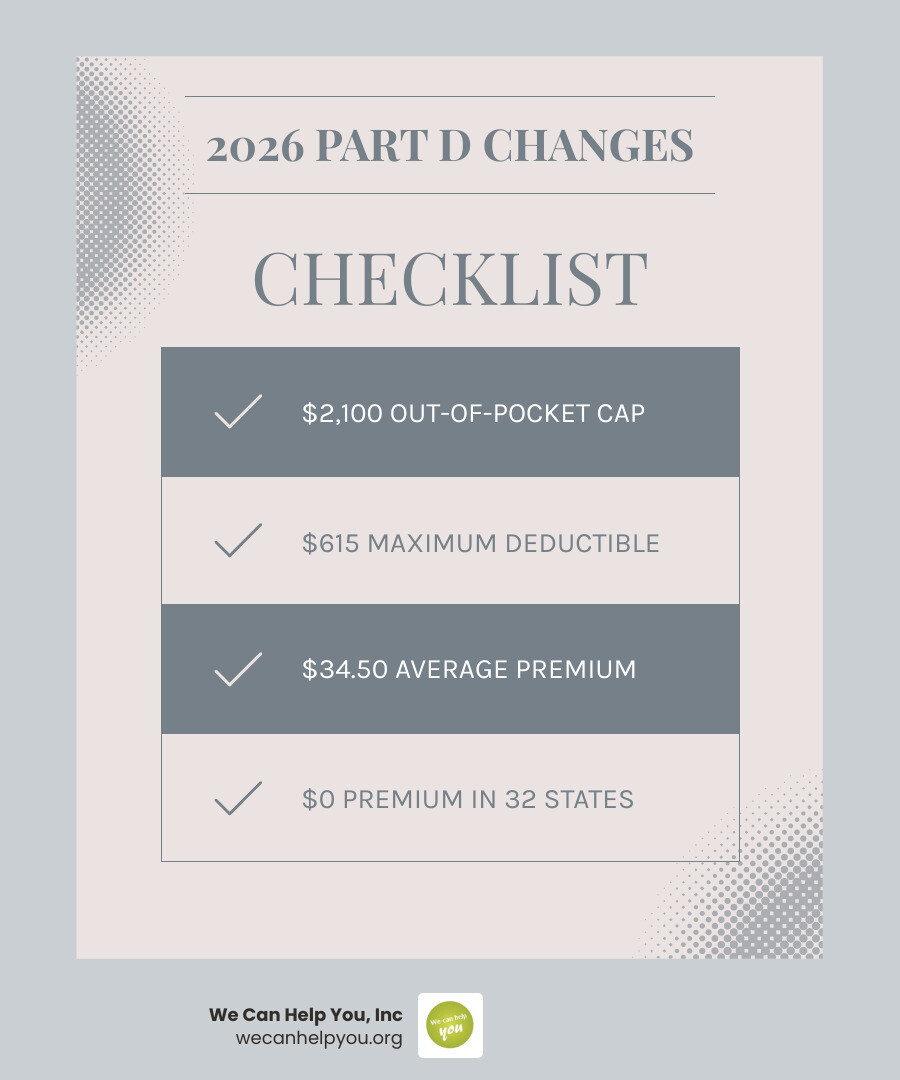
- The average monthly premium is $34.50
- The maximum deductible is $615
- Out-of-pocket costs are now capped at $2,100 per year
- $0-premium plans are available in 32 states plus Washington, D.C.
- The industry average CMS star rating is 3.04 out of 5
Here’s the hard truth: Medicare Part D plans are sold by private insurance companies, and no two plans are the same. Your neighbor’s plan might be perfect for them and completely wrong for you — depending on which drugs you take, which pharmacy you use, and where you live.
This guide cuts through the noise. We compare the biggest names in Part D coverage, break down what the star ratings actually mean, and show you exactly what to look for so you can stop guessing and start saving.
Medicare drug plan reviews terminology:
Understanding Medicare Part D and 2026 Cost Changes
Medicare Part D is the optional federal program that helps you pay for both brand-name and generic prescription drugs. While it is optional, we generally recommend signing up as soon as you are eligible—even if you don’t take medications right now—to avoid lifelong late enrollment penalties. To get a handle on the fundamentals, you can check out The Complete Guide to Medicare Prescription Plans.
The year 2026 brings some of the most significant changes to the Part D landscape since the program began. Thanks to the Inflation Reduction Act, beneficiaries are seeing a massive shift in how much they have to pay out of their own pockets. For a deep dive into these specific limits, see our guide on Capping the Chaos with the 2026 Medicare Part D Maximums.
The New $2,100 Out-of-Pocket Cap
The headline news for 2026 is the annual out-of-pocket cap. Once you spend $2,100 on covered drugs, you pay nothing else for the rest of the year. This is a game-changer for anyone taking expensive specialty medications or biologics. Previously, enrollees often faced a “catastrophic phase” where they still had to pay 5% of their drug costs—a figure that could reach thousands of dollars for some. That 5% requirement is gone.
Deductibles and Premiums
While the cap is great news, other costs have shifted:
- Maximum Deductible: For 2026, the maximum deductible a plan can charge is $615. Some “Enhanced” plans may offer a $0 deductible, but you’ll usually pay a higher monthly premium for that luxury.
- Average Premium: The average monthly premium is hovering around $34.50. However, as you’ll see in our medicare drug plan reviews, these range from $0 to over $170 depending on the level of coverage.
Negotiated Drug Prices
Another landmark change for 2026 is the introduction of federally negotiated prices for some of the most commonly used drugs. If you take medications like Eliquis, Jardiance, or Xarelto, you may notice significant price drops at the pharmacy counter. These 10 negotiated drugs represent a major step in Inflation Reduction Act Impact on Medicare Part D for 2025 and 2026, aimed at making life-saving medicine more affordable for everyone.
Top Rated Medicare Drug Plan Reviews for 2026
When you start looking at medicare drug plan reviews, the first thing you’ll notice is the Star Rating system. This is the government’s way of grading plans on a scale of 1 to 5.

The average weighted CMS star rating for all Medicare Part D plans in 2026 is 3.04 stars. While a 3-star rating means the plan is “average,” we often look for plans hitting that 3.5 to 4-star mark for better customer service and drug safety protocols.
Analyzing Medicare Drug Plan Reviews by Star Rating
The Star Rating system measures everything from how well the plan handles member complaints to how accurately they price drugs at the pharmacy.
- Wellcare: Holding steady with a 3.5-star rating for 2026. Wellcare has become a dominant player by offering $0-premium plans in many areas, though their drug formularies can be stricter than some competitors.
- Humana: Humana’s stand-alone Part D plans currently hold a 3.00-star rating, which is slightly below the industry average. However, they remain popular due to their massive pharmacy network and competitive “Value Rx” plan.
- Aetna SilverScript: Aetna also sits at a 3.00-star rating for its stand-alone PDP. While their member experience scores have seen some challenges recently, they cover nearly 3.9 million beneficiaries, making them the second-largest provider in the nation.
- Aetna Medicare Advantage: Interestingly, if you get your drug coverage through an Aetna Medicare Advantage plan (MA-PD), the ratings are much higher, with a weighted average of 4.19 stars. This suggests that Aetna’s bundled plans often provide a smoother member experience than their stand-alone drug options.
Regional Medicare Drug Plan Reviews and $0 Premium Options
One of the most common questions we hear is: “Can I actually get a drug plan for $0 a month?” The answer is yes—if you live in the right place. In 2026, 32 states plus Washington, D.C., offer at least one $0-premium Medicare Part D plan.
However, a $0 premium doesn’t mean the plan is free. You still have to pay your deductible and copays. To see exactly what is available in your neck of the woods, you can Explore your Medicare coverage options. Whether you are in Chicago, IL, Albuquerque, NM, or Raleigh, NC, the plans available to you are tied strictly to your ZIP code.
For example, our friends in Decatur, IL might have 12 different plans to choose from, while someone in Phoenix, AZ or Denver, CO will see a completely different list. Always use your specific list of medications when comparing these regional options to ensure your most expensive drugs are actually on the plan’s list of covered medications (the formulary).
How to Compare and Choose the Right Prescription Coverage
Choosing a plan is about more than just the monthly premium. You need to look at the “Total Annual Cost,” which includes your premiums, your deductible, and the copays you’ll pay every time you visit the pharmacy.
Understanding Drug Tiers and Formularies
Most plans use a “tier” system to categorize drugs. Here is a general look at how these tiers typically break down:
| Tier | Drug Type | Typical Cost Structure |
|---|---|---|
| Tier 1 | Preferred Generic | $0 – $5 copay |
| Tier 2 | Generic | $10 – $20 copay |
| Tier 3 | Preferred Brand | Coinsurance or higher copay |
| Tier 4 | Non-Preferred Drug | 30% – 50% coinsurance |
| Tier 5 | Specialty Tier | Highest cost; 25% – 33% coinsurance |
If you are taking Tier 1 generics, a plan like the Wellcare Value Script might be perfect because it often features $0 copays for these drugs. However, if you are on a Tier 4 or 5 specialty biologic, you might prioritize a plan with a $0 deductible, even if the premium is higher, so that the plan starts paying its share immediately. For more tips on managing these rising costs, see Why Prescription Drug Costs Are Climbing and How You Can Fight Back.
Pharmacy Networks and Mail Order
Where you buy your medicine matters just as much as what you buy. Most medicare drug plan reviews will highlight whether a plan uses “Preferred Pharmacies.” You will almost always pay less at a preferred pharmacy than at a “standard” in-network pharmacy.
Additionally, many plans offer deep discounts if you use their mail-order services for 90-day supplies of maintenance medications. This is not only cheaper but saves you a trip to the store—a win-win!
The Medicare Prescription Payment Plan (M3P)
New for 2026 is a feature that allows you to spread your out-of-pocket costs over the course of the year. Instead of paying a massive $500 bill at the pharmacy in January, you can opt into a payment plan that bills you monthly. This doesn’t reduce the total amount you owe, but it makes your monthly budget much more predictable. You can learn how to set this up in our Medicare Prescription Payment Plan Guide 2026.
Avoiding Penalties and Finding Extra Help
Medicare has some strict rules about when you can sign up, and if you miss your window, it can cost you for the rest of your life.

The Late Enrollment Penalty
If you go for 63 days or more without “creditable” drug coverage (coverage that is at least as good as Medicare’s standard), you will be hit with a late enrollment penalty when you finally do sign up. This penalty is added to your monthly premium forever. To avoid this, we recommend enrolling in a low-cost Part D plan even if you don’t currently take any medications.
The Extra Help Program
If you have limited income and resources, you may qualify for the Extra Help program (also known as the Low-Income Subsidy). This program can pay for your Part D premiums, lower your deductibles, and reduce your copays to just a few dollars.
Many people qualify for Extra Help and don’t even know it! If you qualify, you also get a Special Enrollment Period, which allows you to switch your drug plan once per quarter during the first nine months of the year. To see if you can lower your costs, check out Unlock Savings: How to Get Extra Help with Your Medicare Prescriptions or read more about Help to Pay for Prescription Drugs.
The Annual Review
Insurance companies can—and do—change their prices, their drug lists, and their pharmacy networks every single year. Just because your plan was the best deal in 2025 doesn’t mean it still is in 2026. We strongly encourage everyone to do an annual review during the Open Enrollment Period (October 15 – December 7). This is your chance to compare the latest medicare drug plan reviews and switch to a plan that fits your current health needs.
Frequently Asked Questions about Medicare Drug Coverage
What is the maximum out-of-pocket cost for Part D in 2026?
The maximum you will pay for covered prescription drugs in 2026 is $2,100. This is a hard cap; once you reach it, your Part D plan (and the government) will cover 100% of the cost for your covered medications for the remainder of the calendar year.
How do I avoid the Medicare Part D late enrollment penalty?
The best way to avoid the penalty is to sign up for a Part D plan as soon as you are first eligible for Medicare (usually during your Initial Enrollment Period around your 65th birthday). If you have other coverage—like through an employer or the VA—make sure it is considered “creditable.” If you lose that coverage, you have a limited window to join a Part D plan without a penalty.
Can I change my drug plan if I qualify for Extra Help?
Yes! One of the biggest perks of the Extra Help program is the flexibility it provides. While most people can only change plans once a year during Open Enrollment, those who qualify for Extra Help can generally switch plans once per quarter during the first three quarters of the year. This allows you to react quickly if your medications change or if you find a plan with a better pharmacy network.
Conclusion
Navigating Medicare Part D doesn’t have to be a headache. By paying attention to medicare drug plan reviews, understanding the new 2026 cost caps, and checking your plan’s formulary every year, you can keep your healthcare costs under control.
At We Can Help You, Inc., our mission is to empower you with the knowledge you need for a secure retirement. We are a non-profit dedicated to educating individuals on the complexities of Medicare and Social Security. Whether you are in Las Vegas, NV, Lincoln, NE, or Rochester, NY, we are here to help you maximize your benefits.
Ready to take the next step? We offer a free Medicare Planning Guide and a free Social Security maximization report designed to help you increase your retirement income and reduce your stress. Don’t leave your financial health to chance—let us help you build a plan that works.